
How I Fight My Seriously Mean Inner Critic and Win
If I didn't have a strategy, my dark thoughts would overcome me.
Everyone has heard about writers and their inner critics. Most often, its a voice--your own, but not necessarily. Or, there are thoughts. Some may be based in truth, which is worse, and some may be rooted in fiction, which doesn't help matters, either. These thoughts and voices take over the mind, filling a writer's mind with uncertainty and fear.
I' remember some of the anxiety I had when I first started writing. Much of it came from not knowing how to challenge my inner critic.
Fortunately, I've identified some techniques while writing. Keep reading to uncover my three-step process. These steps help me overcome self-doubt and negativity..
I use "what if" statements as responses to self-doubt
I'll never forget a blog post I published when I was a fiction writer.
The title was, "For Every Great Story Begins with a 'What if?"". This was when I was pushing through a draft of a holiday-themed detective novel. It was then I first realized the power of such a question.
"What if" questions empower you to pursue open-minded thinking. They're a perfect, last-minute response to the kind of self-limiting thoughts writers have. They work wonders for writers who happen to have depression. Few concepts are more helpful for writers who struggle with self-doubt than the idea of open flexibility.
So, how does this concept work, exactly? Well, I succeed by twisting every self-critical thought into a scenario where I win. That includes wins such as connecting with readers, writing something memorable, or simply feeling happy and free of stress. Suddenly, statements along the lines of "I hate myself" or "I'm better off quitting" lead to opportunities for wizardry. The steps to initiative personal growth appear in my mind shortly thereafter, and success., when the possibilities emerge, feels only a short distance away.
I begin the process by jotting down all or a portion of a negative thought. Then I brainstorm potential solutions whether I believe I can achieve them or not.
If the negative thought feels unmanageable (Like, I'll never be good enough because I'm too sick), I tend to overcompensate. I come up with something desperate and write something like, "What if I stay up all night to do whatever it takes?"
By envisioning a greater workload, a lengthier process, or a call to the extraordinary, I can accept that everything I worry I can't accomplish in writing is achievable with extra effort.
Two things happen: one, I keep going, and going even further. The voices in my head slowly begin to change. I start thinking "One day, I'll get there", or "Surely, I can do it. From there, I come up with the smaller steps I need to take to improve my writing.
For example, "What if" I complete the perfect course or hire a great freelance editor? Or, if I draft my work as many times as needed no matter how tired I get? Framing negativity into opportunities helps me write better and faster. I can last longer and write longer pieces and adapt in any way that's needed.
I use negative thoughts as material for future memoirs and essays
Creative nonfiction requires extensive time and thought. While I'm publishing compelling articles, I'm gathering the material I need for truly fantastic stories.
Along the way, I'm fleshing out the scenes in the stories by writing newspaper headlines. These descriptions serve to reflect the main ideas I'm capturing.
At least a portion of my ideas for memoirs have come from events circulating around negative thoughts. The reason? The most captivating events in my life start and revolve around moments of negativity.
Take, for example, an idea I have for a memoir about being the survivor of gangstalking. Such a moving story would catapult readers through jaw-dropping thrills. The piece would feature an intimate revealing of my most troublesome thoughts. The more negativity I record, the more suspenseful, and vivid my stories would be.'
That's why I choose use my negative thoughts to my advantage. As it turns out, that happens to be what readers want most. If every memoir was born from positive, relaxed moments or anecdotes, writers would risk the narrative being boring or becoming a story that anyone could dismiss.
I recommend that nonfiction writers who are working on personal stories start capturing their darkest thoughts on paper, then build scenes, anecdotes, and supporting details around these negative statements. The best kind of writing comes from the heart. But every writer knows that the truly rewarding storries come from thoughts that haunt us.
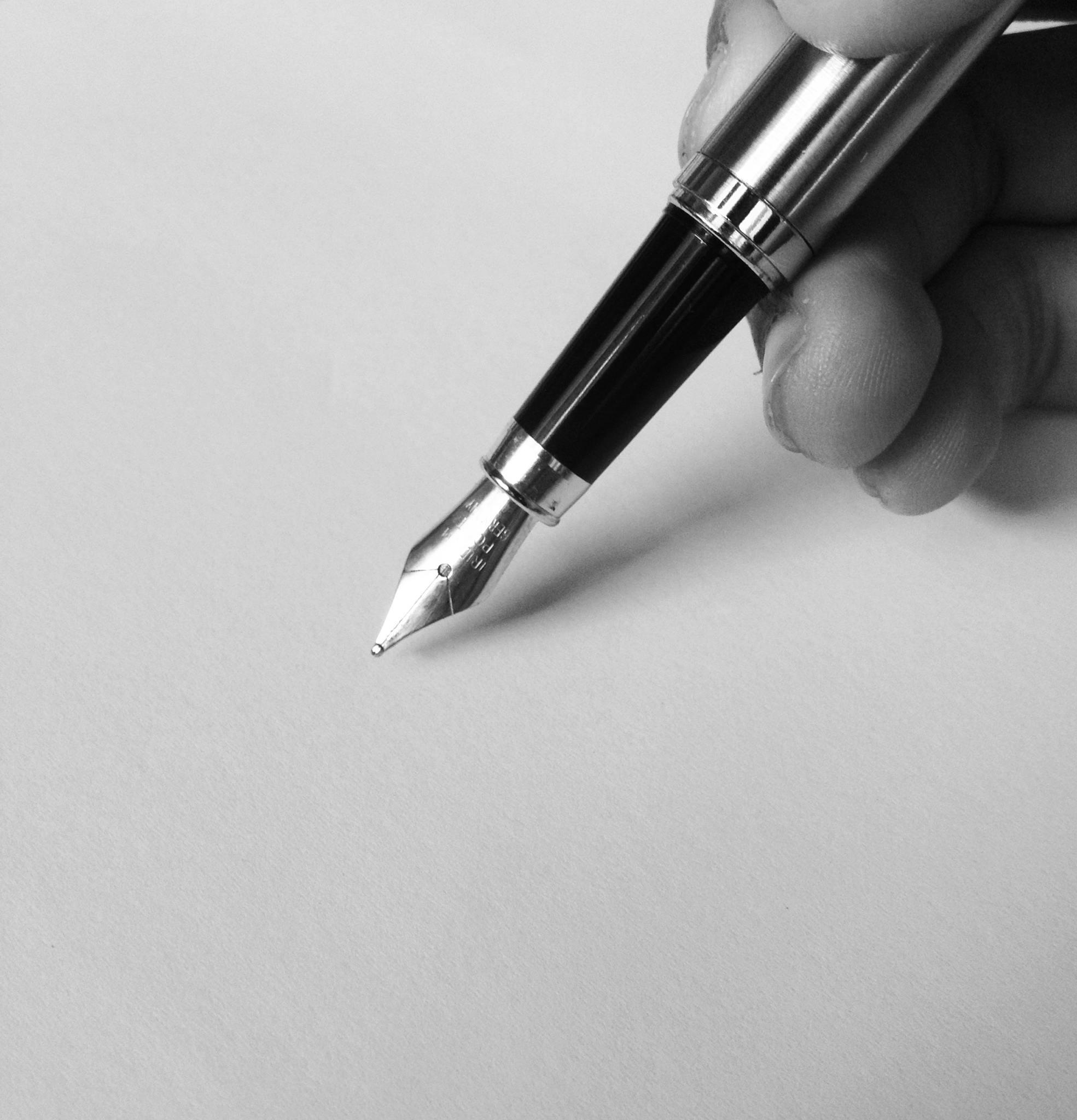
I use a pencil eraser to free up room to think
Can you believe the pencil-vs-pen debate is still relevant in 2025?
One big reason why is because writers have inner critics. These voices plague them with self-doubt and trap them in long periods of dark rumination. One outcome writers don't want is to be stuck with these writings and become confused and disoriented..,
Recording negative thoughts takes up a lot of space in a notebook. And Any writer would know how much of the work is done on the blank white pages. A lot of writing, rewriting, figuring out, reanalyzing, and trying to get everything perfect.
The mess can easily become overwhelming if you're using an ink pen with no ability to free up space quickly and consistently. Instead of having the most recent material in the notebook, you have incomplete ideas and notes that require more effort to process.
I always tell people: the notebook is where the serious work is done. No average reader can comprehend what it takes to publish a final draft, or how much handwriting is required.
But a problem emerges early on in the process. Notes get messy. Ideas get mixed. Important details require clarity to go over and utilize for a draft. By erasing frequently, I can keep what's on paper as close to recent as possible. Taking notes, erasing, then rewriting keeps everything in the notebook in its freshest form.
Erasing works wonders for saving me time. I don't need nearly as much revisions or editing when what I have in the notebook is fresh, With pencil, I can also free up space to record more on a page at once. While many writers despise white space, I love the freedom it brings.
Simply, the more scribbled and scratched-out notes you have on the page, the more confusing the process . And that's a nightmare when you're bringing your absolute best, most personal and desirable stories to life.
I fight my inner critic—and win every time
Throughout the day, I experience dozens, maybe hundreds, of negative, depressing thoughts. Separating myself from those thoughts takes energy and time that I simply don't have. But using negativity to my benefit lifts my mood and induces flow state. I remember many exceptional writing sessions that I extended because I utilized these practices.
The last mistake any writer should make is allowing their seriously mean inner critic to overcome them. The trick is learning to use any and all types of thinking to enhance or extend your best writing. Gibe these tips a shot and see if they work magic. And remember, negativity doesn't have to be a writer's worst enemy.
Now, readers, in the comments below, tell me what tricks you have for fighting self-doubt?
0 Comments Add a Comment?