
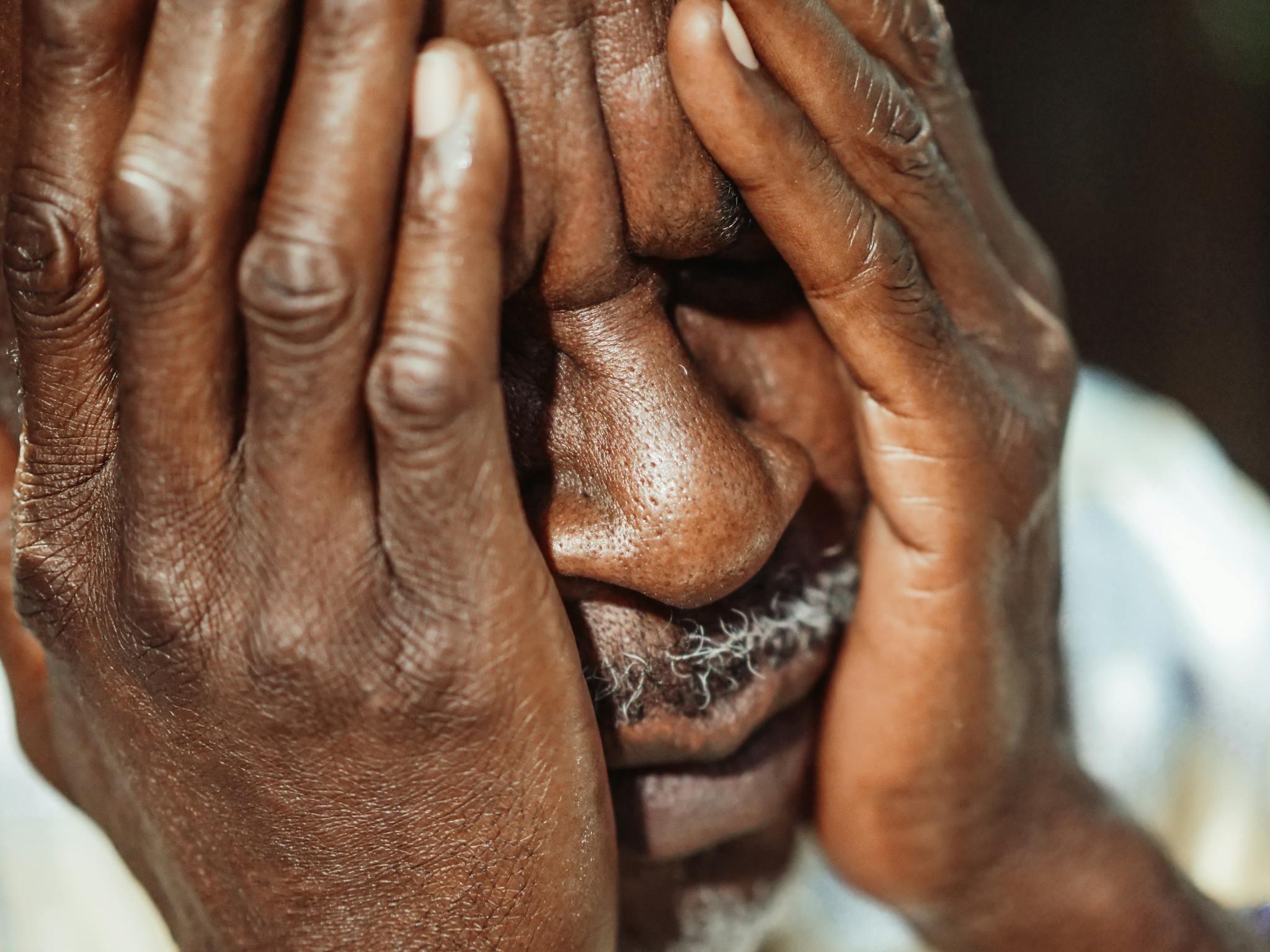
Why Seasonal Affective Disorder Feels Worse as You Age
There’s an ache that comes from cold winter weather, and it feels more painful the older you get.
The condition is referred to as SAD, or seasonal depression, but experts call it Seasonal Affective Disorder. Five percent of adults (about 12 million people) have SAD and experience symptoms for 40% of the year. The depression is caused by seasonal changes that occur after autumn, such as sadness or gloominess, reduced energy, or difficulty concentrating. The changes kick in around November as darkness arrives earlier and temperatures drop, leaving millions of people in search of help.
Aging adults may notice SAD intensifying or lasting for longer. They are susceptible to SAD-impacting physiological changes, such as health complications or loneliness, both which exacerbate depression. Their symptoms may be severe if they’re misdiagnosed, or if their depression is interpreted as “normal aging.”
One Redditor said SAD became worse with age, writing, “I am barely functional and am noticeably worse despite my life being in a better place than it’s ever been.”
On Quora, a cartoon artist described SAD as getting worse since 2015, explaining that “winters are becoming longer and colder in comparison to the old in the 1970s-1990s.”
While treatment is available, SAD is still misunderstood by the public, with questions remaining and information being misreported. Understanding how aging impacts SAD is crucial for holiday-time coping and may help clinicians connect with people in need.
Loneliness traps you in negativity
As you age, social engagement declines, resulting in social isolation—nearly a quarter of adults 65 and older are alone. Health complications, like stroke or heart disease, restrict mobility, reducing interaction, causing negative thoughts that intensify near Thanksgiving. The reason? Every autumn, humans naturally seek connection, but loneliness causes self-critical statements to take over your mind. With fewer friends or no mood-lifting chatter, you’re trapped in rumination, which intensifies the effects of seasonal depression.
Loneliness and social isolation are serious problems, but the effects are more significant for people with negative thoughts. Separation causes thought-spiraling, which worsens SAD, as people may blame themselves for their social isolation. They may feel trapped in regret or feel intense, raging anger, either of which will stop SAD from improving. The inability to restabilize and return to normal functioning is a reason SAD is so severe for aging adults.
Cold sensitivity increases—irritability gets worse
An annual drop in temperatures will put adults on edge. If you’re aging, expect the freeze to sting worse. Studies show aging leads to reduced body fat under the skin, resulting in increased cold sensitivity. You’ll sense the change in your body, but also in temperament. Annoyances, suddenly, begin to work on your nerves, interfering with depression management and increasing the difficulty of coping.
Instead of relaxing, you may feel on edge, agitated, and more affected by stress. The irritability comes from the desire to escape the bitter cold. The feeling can strike whether you’ve left the office or were forced into cutting costs on heat. Irritability sours the mood and can result in anger because you’re continuously exposed to discomfort.
A slower metabolism causes cravings, leading to weight gain and depression
The older you are, the slower your body converts calories to energy. Studies show that having a slow metabolism causes cravings, which cause you to overeat and gain weight. Aging adults may become distressed more frequently., worry about body image, or feel their self-confidence has reduced. Over time, they become prone to negative thoughts and may experience low self-esteem or an inability to be content with their self-image. These thoughts and feelings causes mood changes that worsen SAD symptoms.
Much of this effect comes from the vicious cycle that overeating and weight gain creates. First, you’ll notice snack cravings that begin as temperatures drop. Cold weather traps you indoors where you’ll consume more carbohydrates. The increased intake occurs because of unstable blood sugar levels, which cause your energy levels to become equally unbalanced. The result is more distressing depression that stems from low motivation and lethargy.
Brain atrophy impairs cognition, causing poor concentration
The emotional memory connector known as the hippocampus is responsible for helping you remember and feel at once. Then, the cerebellum, located at the back of the brain, is the brain region behind the processing of emotions and the coordination of body movements. Both brain regions shrink as you age due to a process medical experts refer to as"brain atrophy”, which also affects the prefrontal cortex, the central command unit of decision-making and planning. Structural changes occurring in the brain may increase the severity of SAD, as the smaller brain can't maintain a stable mood or boost cognition.
The cognitive effects of SAD become even more severe due to concentration issues caused by brain shrinkage. The result is a strong feeling of frustration that comes from a lack of mental sharpness., which, during the holidays, causes cognitive symptoms that increase fatigue.
The unpleasant feeling of not being able to get your brain working causes exhaustion and increases the desire to sleep, creating a cycle of fatigue that makes heavy-hitting SAD symptoms feel profoundly worse, year after year.
Lower Vitamin D levels cause mood instability
Studies show Vitamin D production drops with age, an occurrence that happens because of two factors: one, the reduced amount of sunlight you get as you age, and two, your body’s reduced capacity to produce and metabolize the vitamin. The research indicates that the concentration of dehydrocholesterol (7-DHC) reduces by 50% between the ages of 20 and 80. The reduction results in greater mood instability and may contribute to the severity of SAD symptoms.
As you age, the highs and lows may become unpredictable. Lack of consistency in your mood leads to an unstable season. Your mood is likely to fluctuate between sadness and contentment because Vitamin D is the vitamin that keeps you happy and pleasant. Without it, you’ll feel increasingly depressed, especially after autumn when it’s dark in the early evening.
Seasonal depression can become highly debilitating and can create challenges in your everyday life, whether your metabolism is slower or you’re seeing a decrease in socialization. Aging makes the pain of SAD feel worse because the brain and body changes and causes symptoms to worsen. Still, Christmas will arrive and folks will want to feel as prepared as possible. Among the first steps is understanding the impact of SAD, as comprehension is the aid that will protect more adults, and also happens to be the precursor to feeling better after autumn.
Kevin Brown writes on mental health, addiction, and self-improvement. Read more great stories and follow Kevin’s journey to raising mental health awareness at www.kevinbwriting.com
0 Comments Add a Comment?